
Focal Laser Photocoagulation
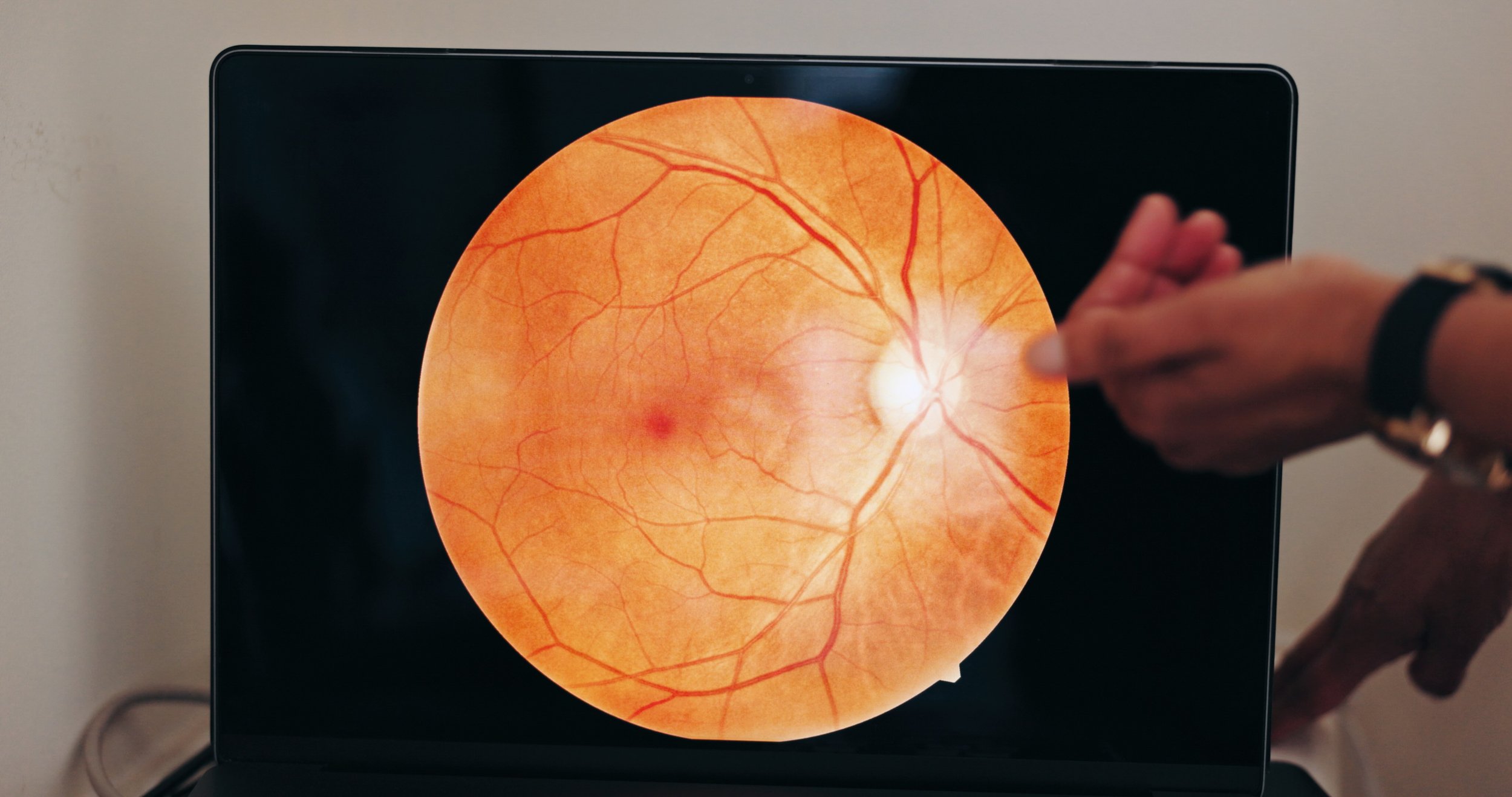
Focal laser photocoagulation is a treatment that uses a highly focused laser to seal leaking blood vessels, reduce retinal swelling, and treat areas of retinal damage. The procedure helps stabilize retinal disease and protect vision by targeting specific problem areas while minimizing impact on surrounding healthy tissue.
This treatment is performed in our office and is often used to help manage retinal conditions caused by diabetes and abnormal blood vessel growth.
Why Is Focal Laser Photocoagulation Performed?
Focal laser treatment may be recommended to treat:
Diabetic Retinopathy: Helps reduce damage caused by abnormal blood vessels in the retina.
Diabetic Macular Edema (DME): Treats leaking blood vessels that can cause retinal swelling and blurred vision.
Age-Related Macular Degeneration (AMD): May be used in select cases involving abnormal blood vessel growth.
Choroidal Neovascularization: Helps seal abnormal blood vessels beneath the retina.
Retinal Tears: Creates a protective barrier around a tear to help prevent retinal detachment.
What Happens During the Procedure?
Focal laser photocoagulation is performed in the office and typically takes about 15 to 30 minutes.
Preparation: The eye is numbed with drops, and the pupil may be dilated to allow a clear view of the retina.
Positioning: You will sit at a specialized microscope while the physician carefully examines the eye.
Laser Treatment: A focused laser is applied to the targeted area of the retina to seal leaking blood vessels or strengthen retinal tissue.
During the procedure, you may notice bright flashes of light and feel mild pressure or discomfort, but significant pain is uncommon.
Recovery After Treatment
Most patients can resume normal activities shortly after the procedure. You may experience:
Temporary blurred vision
Mild light sensitivity
Temporary difficulty with night vision
Mild eye discomfort
These symptoms typically improve within a few hours to a few days.
The Benefits of Focal Laser Photocoagulation
Focal laser photocoagulation is a well-established treatment that can help slow the progression of retinal disease and reduce the risk of vision loss. By sealing leaking blood vessels and reinforcing weakened areas of the retina, the procedure provides long-lasting treatment for many retinal conditions while requiring little downtime.