
PASCAL Laser
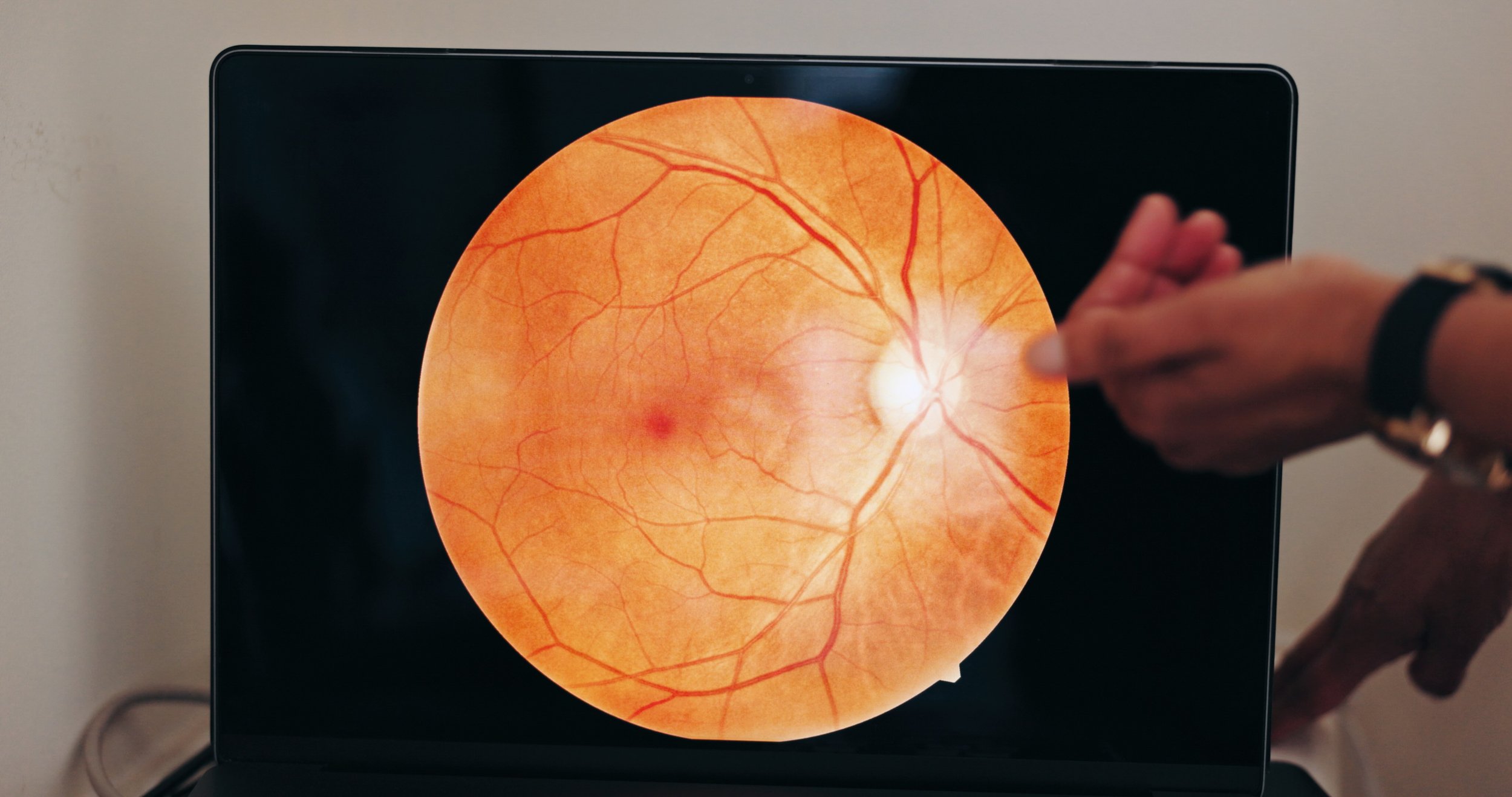
PASCAL® (Pattern Scanning Laser) is an advanced laser technology used to treat a variety of retinal conditions. The system delivers precise laser patterns to targeted areas of the retina, helping preserve vision and reduce the risk of further damage.
Why Is PASCAL Laser Treatment Used?
PASCAL laser therapy may be recommended to treat several retinal diseases, including:
Diabetic Retinopathy: Helps reduce the growth of abnormal blood vessels and prevent vision loss.
Retinal Tears: Creates a protective barrier around a tear to help prevent retinal detachment.
Retinal Vein Occlusions: Treats complications caused by blocked retinal blood vessels.
Macular Degeneration: May be used as part of a treatment plan for certain forms and severities of AMD.
What Happens During the Procedure?
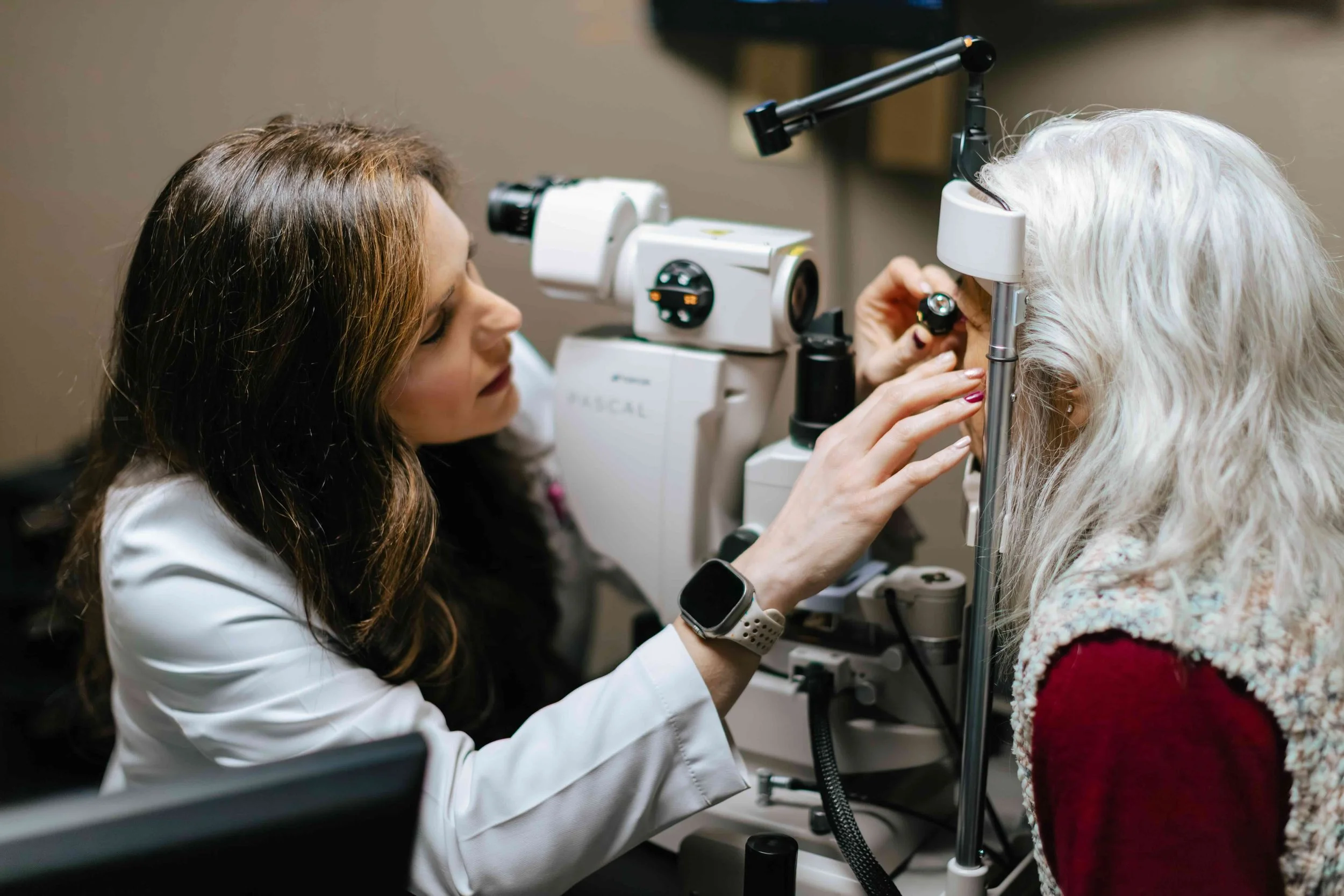
PASCAL laser treatment is performed in the office and typically takes only a few minutes.
Preparation: Eye drops are used to dilate the pupil, and a special contact lens may be placed on the eye to help guide the laser.
Treatment: The laser delivers a series of precise treatment spots to the targeted area of the retina.
Completion: Once treatment is finished, you can usually return home shortly afterward.
Because the PASCAL system delivers laser patterns rapidly, treatment is often completed more quickly and comfortably than with traditional laser methods.
After the Procedure
Most patients are able to resume normal activities the same day. You may experience:
Mild sensitivity to light
Temporary blurred vision from dilating drops
Mild discomfort or awareness of the treated eye
These effects are usually short-lived and improve within several hours to a few days.
The Benefits of PASCAL Technology
PASCAL laser technology is designed to provide accurate, consistent treatment while improving the patient experience. Its advanced scanning system allows your physician to treat retinal disease with exceptional precision, often reducing treatment time and increasing comfort compared to conventional laser procedures.