
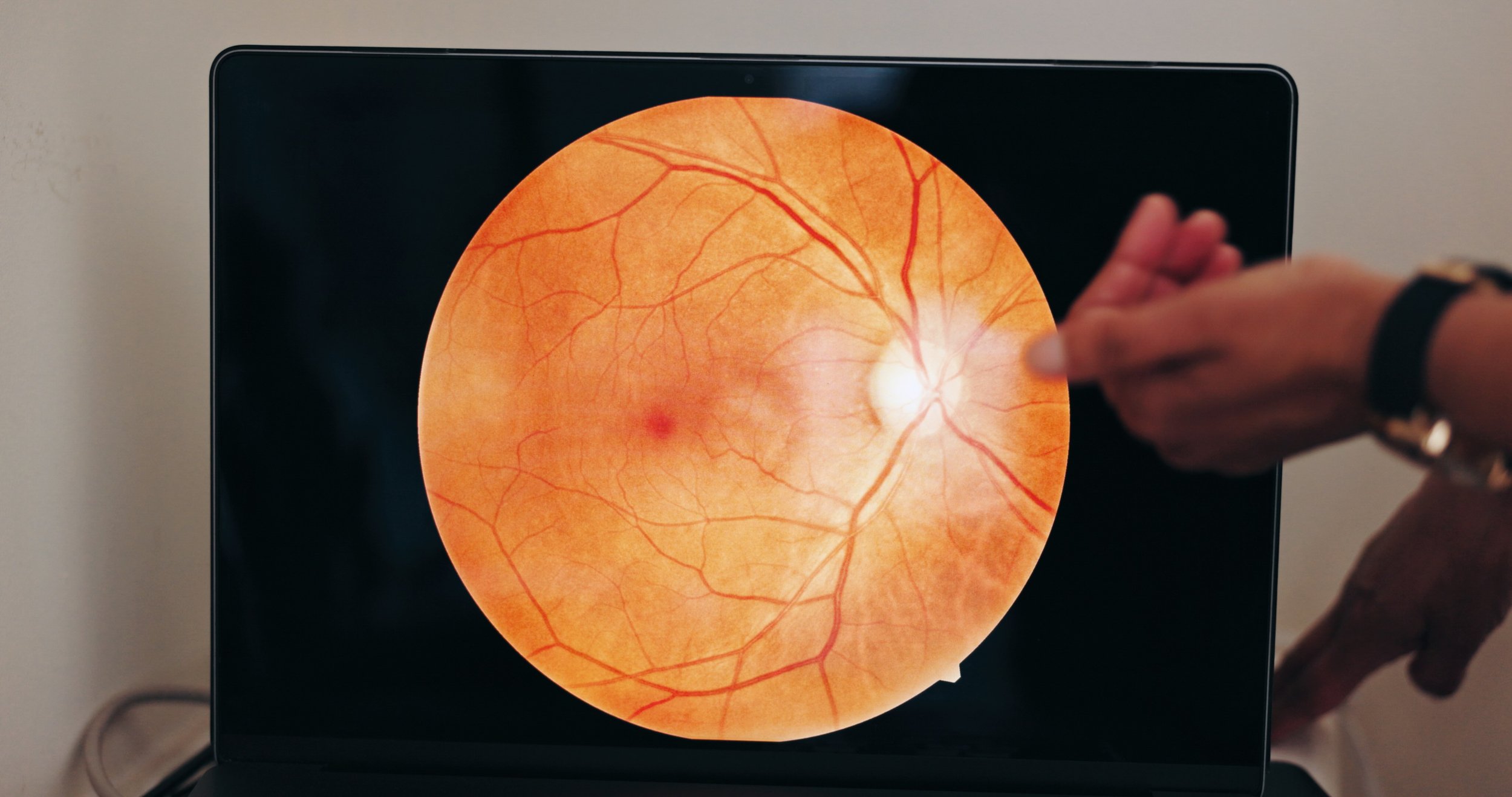
Intravitreal Injections
An intravitreal injection is a common in-office procedure used to deliver medication directly into the back of the eye. By placing the medicine near the retina, it can work more effectively to treat certain eye conditions and help protect vision.
Why Are Intravitreal Injections Used?
Intravitreal injections are often recommended to treat retinal conditions that can threaten vision, including:
Wet Age-Related Macular Degeneration (AMD): Helps reduce abnormal blood vessel growth and leakage beneath the retina.
Diabetic Retinopathy: Treats swelling and blood vessel changes caused by diabetes.
Retinal Vein Occlusion: Helps decrease fluid buildup and swelling in the retina.
What Happens During the Procedure?
Intravitreal injections are performed by one of our retina specialists and usually take just a few minutes.
Preparation: The eye is cleaned with an antiseptic solution to reduce the risk of infection.
Numbing: Numbing drops are applied to keep you comfortable during the procedure.
Injection: A small device may be used to keep the eyelids open while the medication is delivered through a very fine needle.
Most patients report feeling little more than mild pressure during the injection.
After the Injection
It is normal to experience temporary symptoms after treatment, including:
Mild irritation or a scratchy sensation
Small floaters or air bubbles in your vision
A small red spot on the white part of the eye
These effects typically improve within a day or two. Depending on your condition, a series of injections may be needed to achieve and maintain the best possible results.