
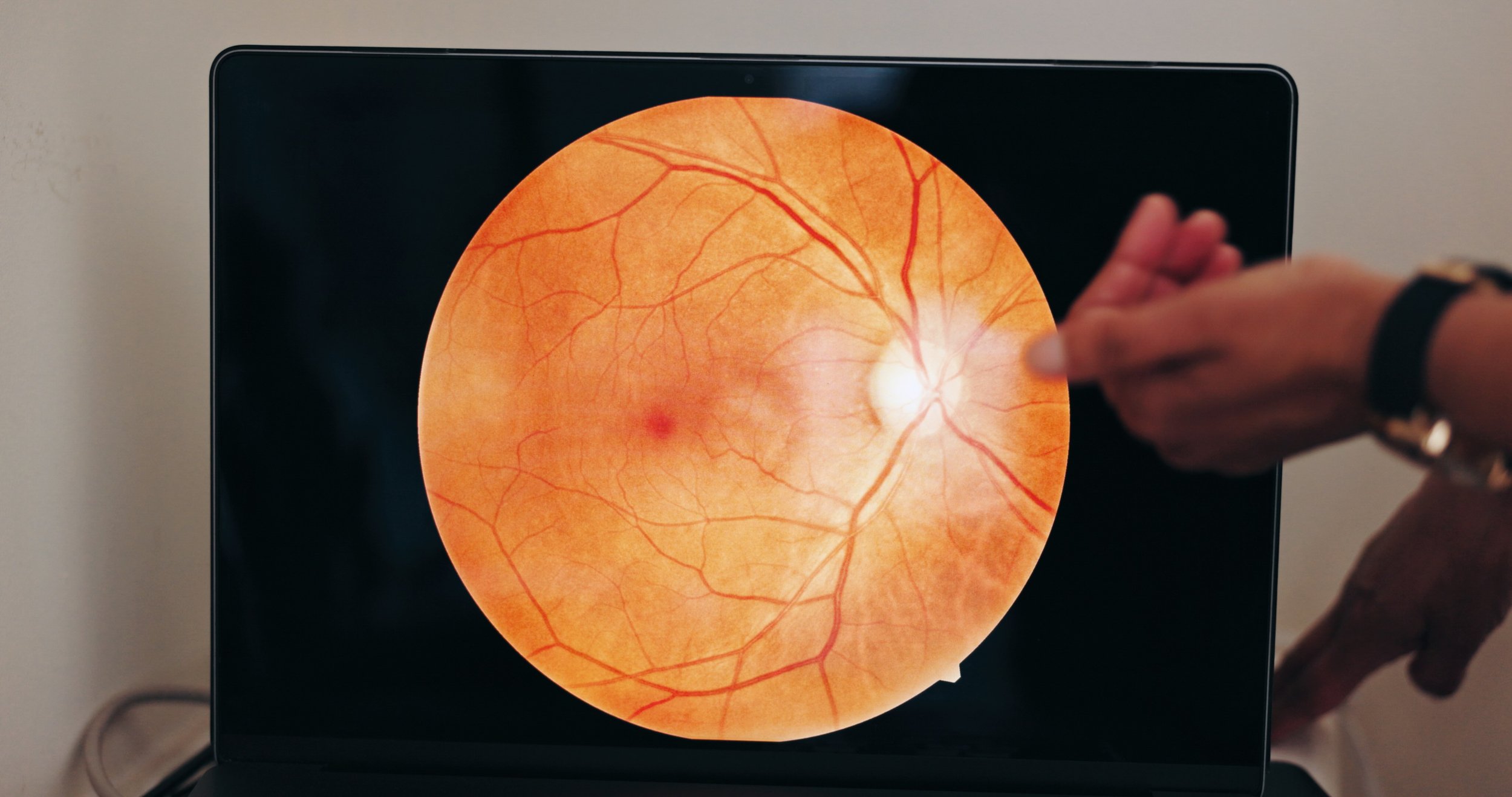
Panretinal Photocoaguation
Panretinal Photocoagulation (PRP) is a laser treatment used to help prevent severe vision loss caused by advanced retinal diseases. During the procedure, a laser is applied to the peripheral (outer) retina to reduce the retina's oxygen demand and slow the growth of abnormal blood vessels.
These abnormal blood vessels can leak, bleed, or cause other serious complications that threaten vision. PRP helps reduce these risks and preserve the remaining vision. While the treatment is not intended to improve vision, it can play an important role in preventing further vision loss.
Why Is Panretinal Photocoagulation Performed?
PRP may be recommended to treat:
Proliferative Diabetic Retinopathy (PDR): Helps shrink abnormal blood vessels caused by diabetes and reduces the risk of bleeding, retinal detachment, and vision loss.
Retinal Vein Occlusion (RVO): Helps prevent the growth of abnormal blood vessels that can lead to complications such as neovascular glaucoma.
Other Ischemic Retinal Conditions: May be used when parts of the retina are not receiving enough oxygen and are at risk of developing abnormal blood vessels.
What Happens During the Procedure?
PRP is performed in our office and typically takes 15 to 30 minutes.
Preparation: The pupil is dilated, and numbing drops are used to keep the eye comfortable.
Positioning: You will sit at a specialized microscope while the physician carefully examines the retina.
Laser Treatment: Hundreds to thousands of laser spots are applied to the peripheral retina to reduce abnormal blood vessel growth.
Completion: Once treatment is complete, you can usually return home the same day.
During the procedure, you may see bright flashes of light and experience mild discomfort or a brief stinging sensation. Some patients require treatment over multiple sessions to achieve the best results.
Recovery After Treatment
Most patients are able to resume normal activities shortly after treatment. Temporary side effects may include:
Blurred vision
Light sensitivity
Mild eye discomfort
Temporary reduction in peripheral or night vision
These symptoms typically improve over the following days, although some changes in peripheral or night vision may be permanent due to the nature of the treatment.
The Benefits of Panretinal Photocoagulation
PRP has been a trusted treatment for retinal disease for decades and remains one of the most effective ways to reduce the risk of severe vision loss from retinal ischemia and abnormal blood vessel growth. By treating the peripheral retina, PRP helps stabilize the eye, reduce complications, and protect long-term vision in patients with advanced retinal disease.