
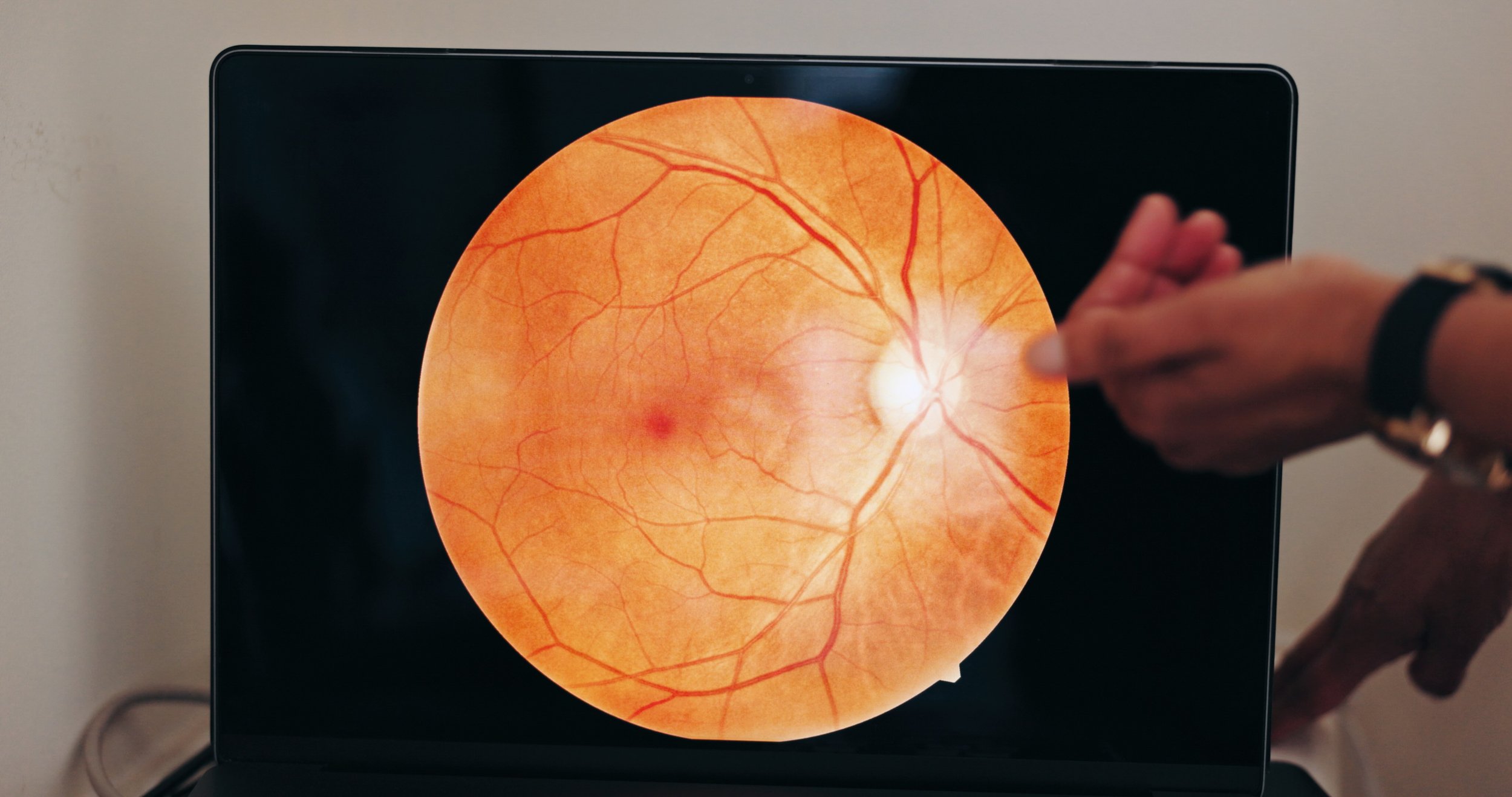
Retinal Cryotherapy
Cryotherapy is a procedure that uses controlled freezing temperatures to treat retinal tears and other retinal weaknesses that may lead to retinal detachment. By creating a small scar around the affected area, cryotherapy helps secure the retina to the underlying tissue and reduces the risk of further separation or vision loss.
Why Is Cryotherapy Performed?
Cryotherapy may be recommended to treat:
Retinal Tears: Helps seal retinal breaks before they progress to a retinal detachment.
Retinal Detachment: Often used as part of a treatment plan to help reattach and stabilize the retina.
Areas of Retinal Weakness: Strengthens vulnerable areas that may be at risk for future tearing.
What Happens During the Procedure?
Cryotherapy is performed in an outpatient surgical setting at Amarillo Cataract & Eye Surgery Center.
Preparation: Numbing drops and local anesthetic are used to keep the eye comfortable during treatment.
Treatment: A specialized cryoprobe is placed on the outside of the eye, directly over the area being treated.
Freezing Process: The probe applies intense cold to create a controlled scar around the retinal tear or weakened area.
Completion: The scar forms a seal that helps hold the retina in place and prevents fluid from collecting underneath it.
Most patients feel pressure during the procedure, but significant pain is uncommon.
Recovery After Cryotherapy
Following treatment, it is normal to experience:
Mild eye soreness or tenderness
Redness or irritation
Temporary blurred vision
Light sensitivity
These symptoms usually improve over the course of several days. Your physician may schedule follow-up visits to monitor healing and ensure the retina remains stable.
The Benefits of Cryotherapy
Cryotherapy is an effective treatment for retinal tears and certain retinal detachments. By creating a strong bond between the retina and the underlying tissue, the procedure helps prevent further retinal damage and protects vision. When performed early, cryotherapy can often stop a retinal tear from progressing to a more serious retinal detachment.